What are the most useful IT skills for pharma students?

Most Useful IT Skills for Pharma Students

As the pharmaceutical industry increasingly integrates technology, having IT skills can give pharma students a significant career edge. Here are the most valuable IT skills that can open doors to better job opportunities:

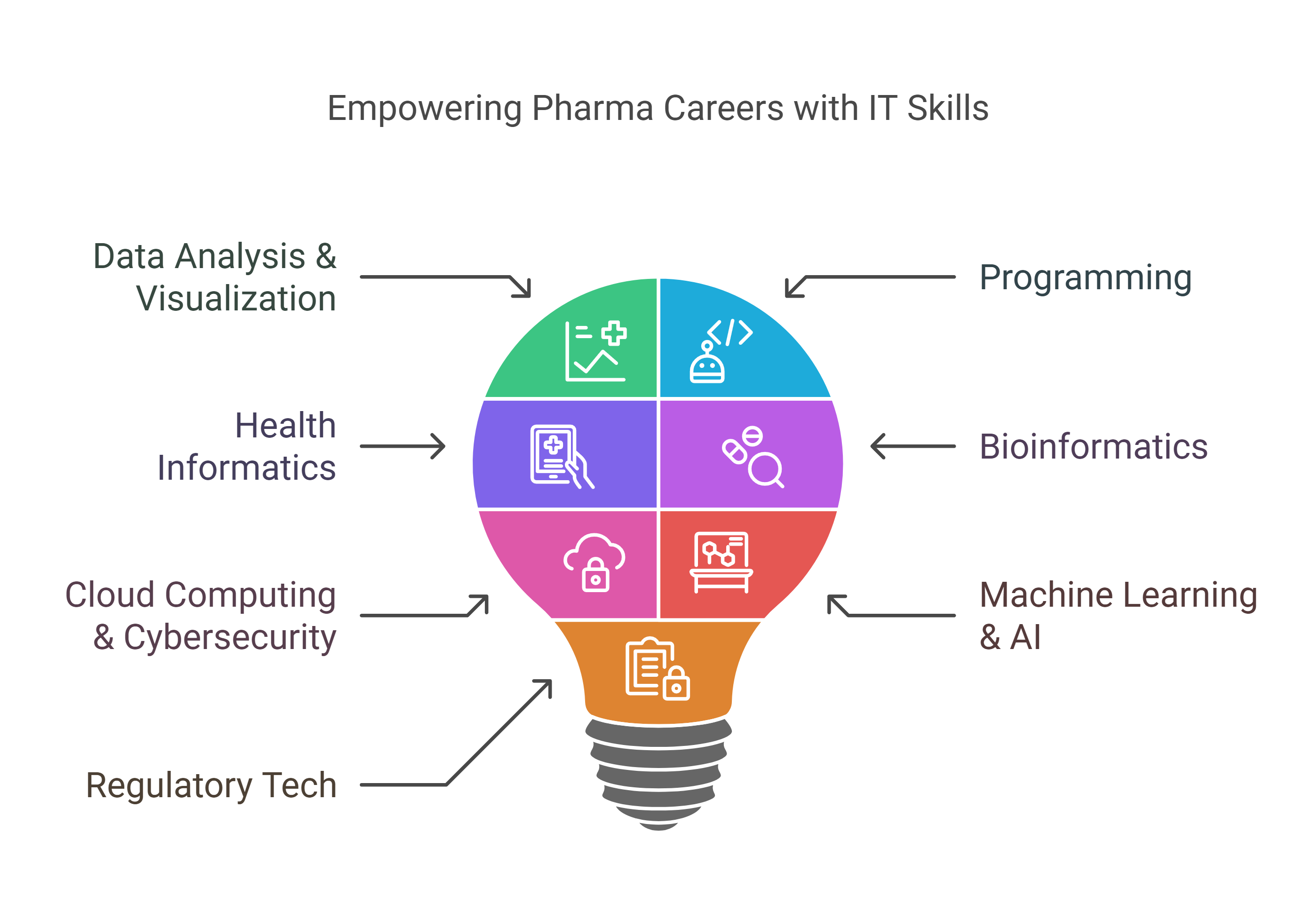
1. Data Analysis & Visualization

📌 Why? Pharma companies handle vast amounts of clinical trial and healthcare data. Analyzing and interpreting this data is crucial.
Tools to Learn:

  • Excel & Google Sheets (Basic data management)
  • SQL (Database queries for structured data)
  • Python (Pandas, NumPy) (Data analysis)
  • Tableau & Power BI (Data visualization)

🔗 Learn More: Google Data Analytics Certification


2. Programming (Python & R)

📌Coding is becoming essential in drug research, clinical trials, and AI-driven healthcare solutions.
Best Languages for Pharma:

  • Python (For machine learning, automation, and data science)
  • R (Preferred in biostatistics and clinical trials)
  • SAS (Used in regulatory submissions and pharmacovigilance)

🔗 Learn Python for Free: Python for Data Science by IBM


3. Health Informatics & Electronic Health Records (EHR)

📌 Many hospitals and pharma firms use digital patient records, so knowing how to work with EHR systems is a plus.
What to Learn:

  • EPIC, Cerner, or Meditech (Popular EHR platforms)
  • HL7 & FHIR standards (Healthcare data exchange protocols)

🔗 Explore Health Informatics: Introduction to Health IT


4. Bioinformatics & Computational Biology

📌 Pharma research relies on computational models to design drugs and analyze biological data.
Skills Needed:

  • Molecular modeling software (PyMOL, AutoDock)
  • Genomic data analysis (BLAST, Biopython, Bioconductor)

🔗 Learn Bioinformatics: Coursera Bioinformatics Course


5. Cloud Computing & Cybersecurity

📌 Pharma companies store sensitive clinical trial data in the cloud, requiring security expertise.
Key Areas to Focus On:

  • AWS, Google Cloud, or Microsoft Azure (For cloud storage & computing)
  • Cybersecurity basics (Data encryption & compliance)

🔗 Get Started with AWS: AWS Cloud Practitioner Essentials


6. Machine Learning & AI in Pharma

📌 AI is revolutionizing drug discovery, diagnostics, and patient data analysis.
Beginner-Friendly Tools:

  • TensorFlow & PyTorch (Machine learning frameworks)
  • DeepChem (AI for drug discovery)
  • AutoML (No-code AI platforms)

🔗 Intro to AI for Healthcare: AI in Medicine Course


7. Regulatory & Pharmacovigilance Tech

📌 Regulatory agencies require pharma companies to use digital compliance systems.
Important Software to Know:

  • Argus Safety (Pharmacovigilance)
  • Veeva Vault (Regulatory submissions)
  • CTMS (Clinical Trial Management Systems)

🔗 Pharmacovigilance Guide: WHO Pharmacovigilance Training


Final Thoughts

“Pharma + IT is a powerful combination! Learning these tech skills will not only future-proof your career but also open doors to high-paying roles in healthcare technology.”

🚀 Which skill interests you the most? Let me know in the comments!


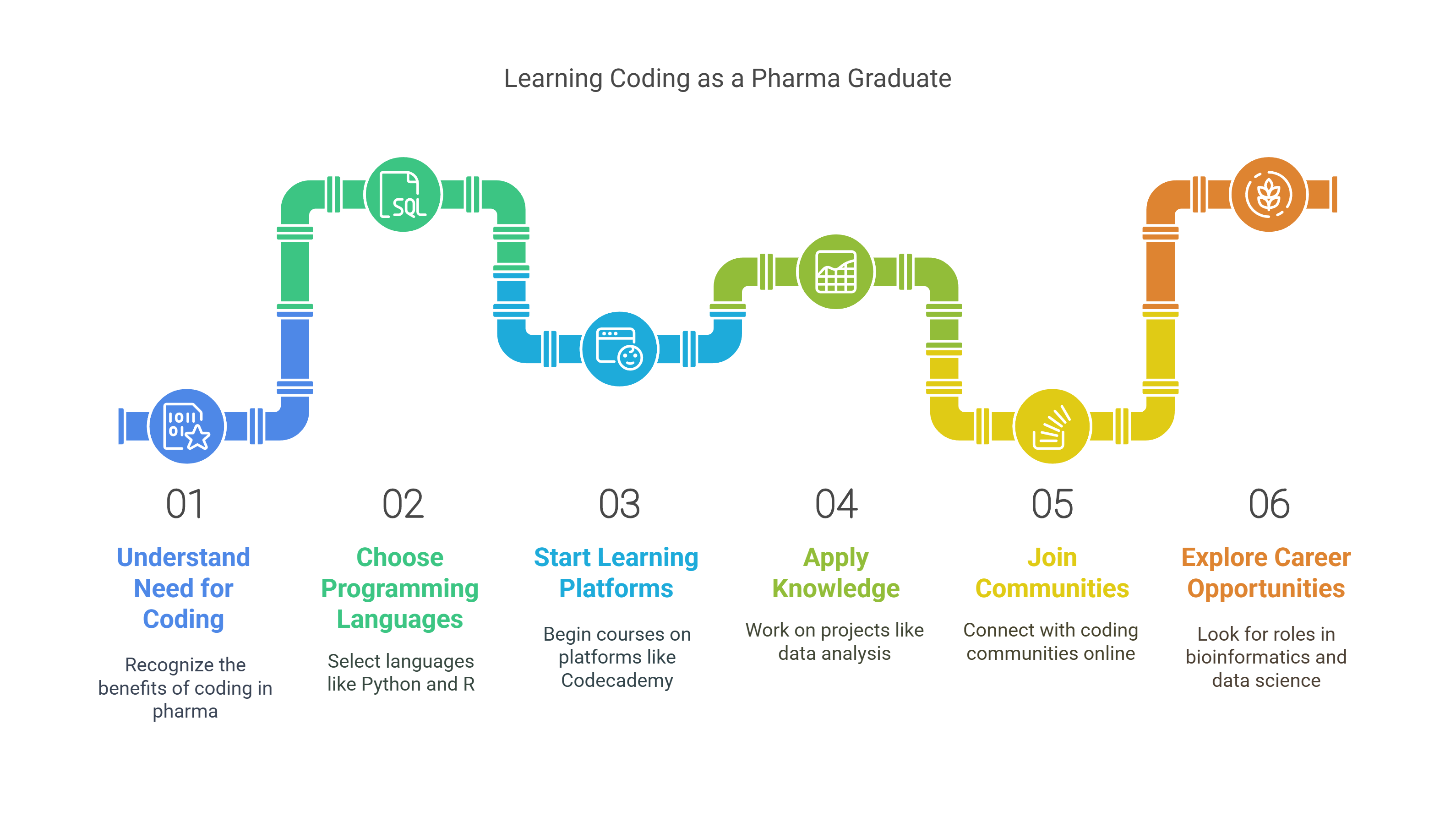
How to Learn Coding as a Pharma Graduate

In today’s digital age, coding has become a valuable skill across various industries, including pharmaceuticals. As a pharma graduate, learning to code can open up opportunities in bioinformatics, healthcare analytics, drug discovery, and automation in pharmaceutical research. If you’re looking to start your coding journey, here’s a step-by-step guide tailored to your background.

1. Understand Why You Need Coding

Before diving into coding, it’s essential to understand how it can benefit your career. Coding can help in:

  • Data Analysis: Processing large datasets in pharmaceutical research.
  • Bioinformatics: Understanding genetic sequencing and drug discovery.
  • Healthcare Tech: Working on AI-driven diagnostics and digital health apps.
  • Automation: Writing scripts to automate repetitive lab tasks.

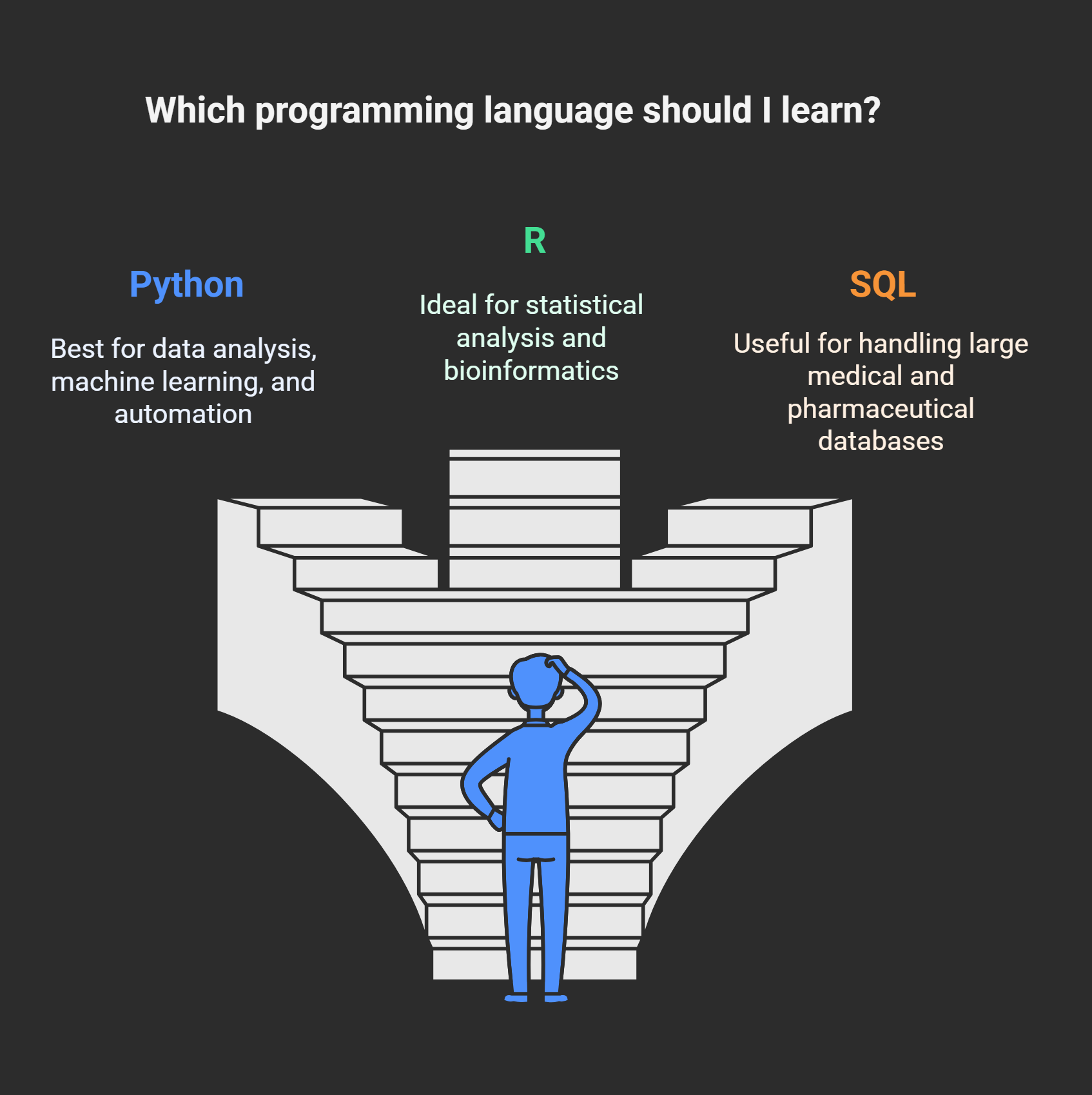
2. Choose the Right Programming Language

As a pharma graduate, certain programming languages will be more useful than others:

  • Python: Best for data analysis, machine learning, and automation.
  • R: Ideal for statistical analysis and bioinformatics.
  • SQL: Useful for handling large medical and pharmaceutical databases.
  • JavaScript & HTML/CSS: Helpful if you’re interested in building healthcare-related web applications.

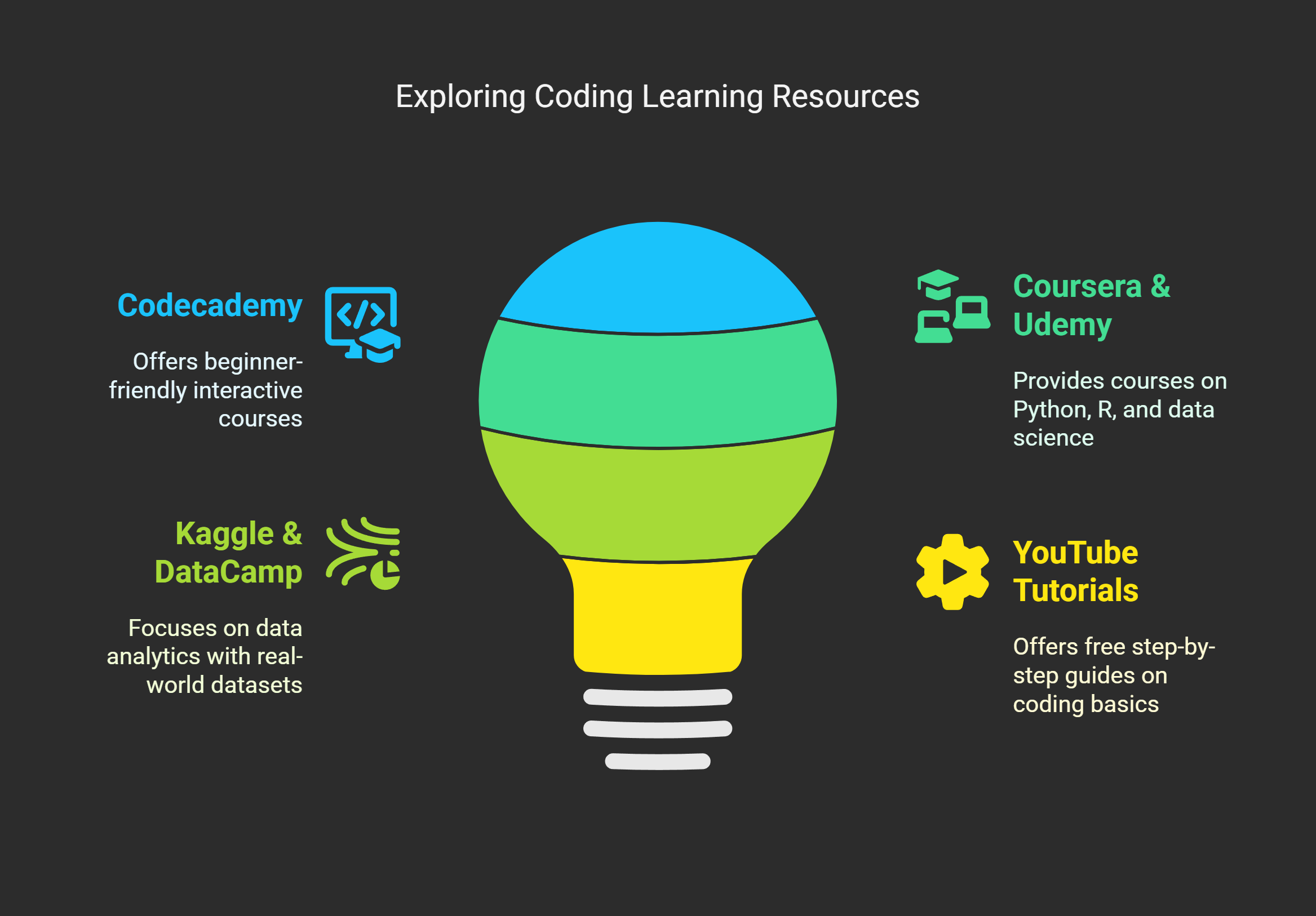
3. Start with Online Learning Platforms

There are several free and paid resources available to start learning coding:

  • Codecademy – Beginner-friendly interactive courses.
  • Coursera & Udemy – Courses on Python, R, and data science.
  • Kaggle & DataCamp – Ideal for learning data analytics with real-world datasets.
  • YouTube Tutorials – Free step-by-step guides on coding basics.

4. Apply Your Knowledge with Practical Projects

Hands-on experience is crucial to mastering coding. Start with:

  • Data Analysis Projects: Use Python or R to analyze clinical data.
  • Bioinformatics Tools: Learn how to process genetic sequences.
  • Automating Reports: Write scripts to automate repetitive pharmaceutical tasks.
  • Building Dashboards: Use Python with Power BI or Tableau for pharma analytics.

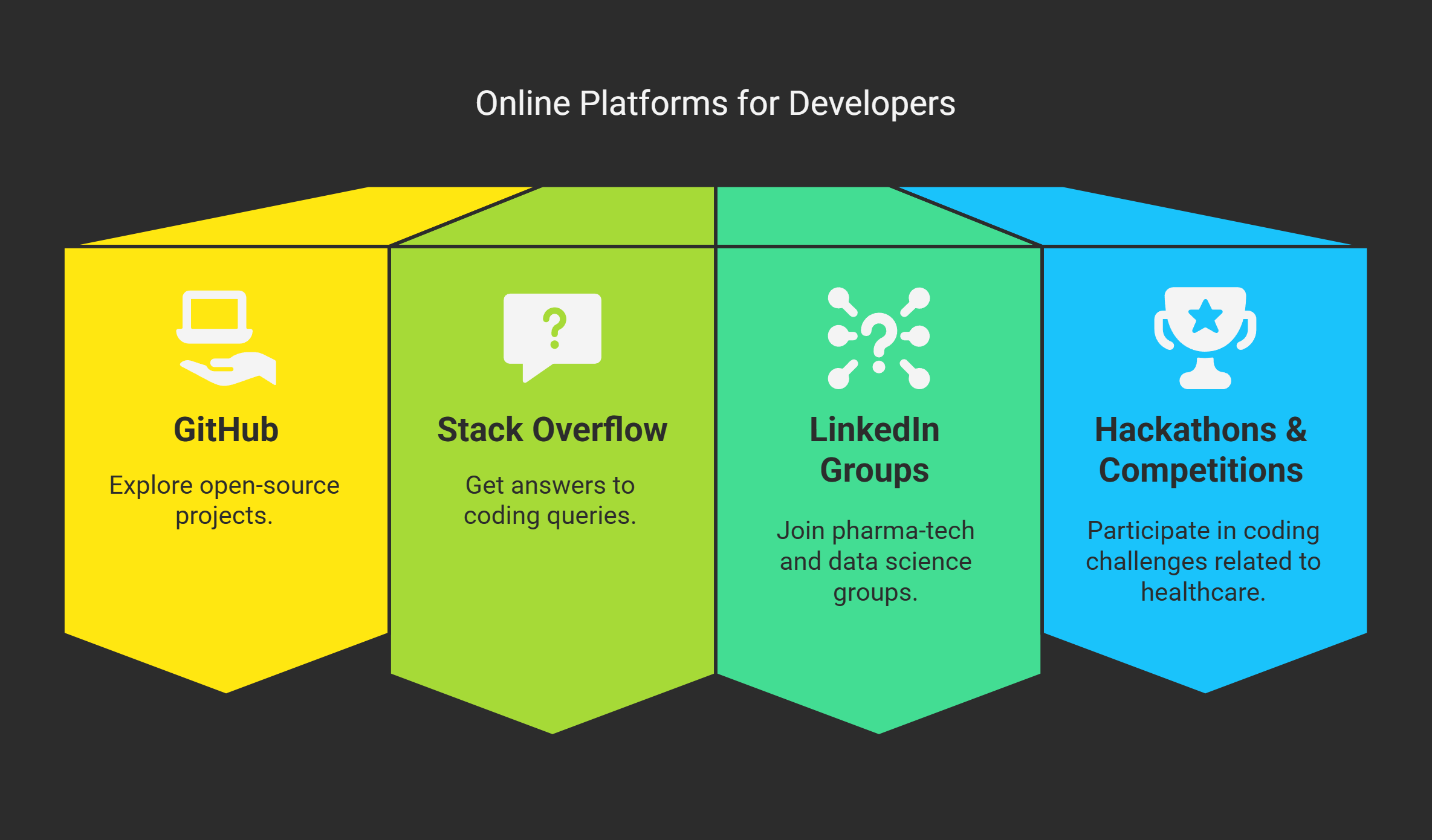
5. Join Coding Communities & Pharma Tech Networks

Engaging with a community can accelerate your learning:

  • GitHub – Explore open-source projects.
  • Stack Overflow – Get answers to coding queries.
  • LinkedIn Groups – Join pharma-tech and data science groups.
  • Hackathons & Competitions – Participate in coding challenges related to healthcare.

6. Explore Career Opportunities

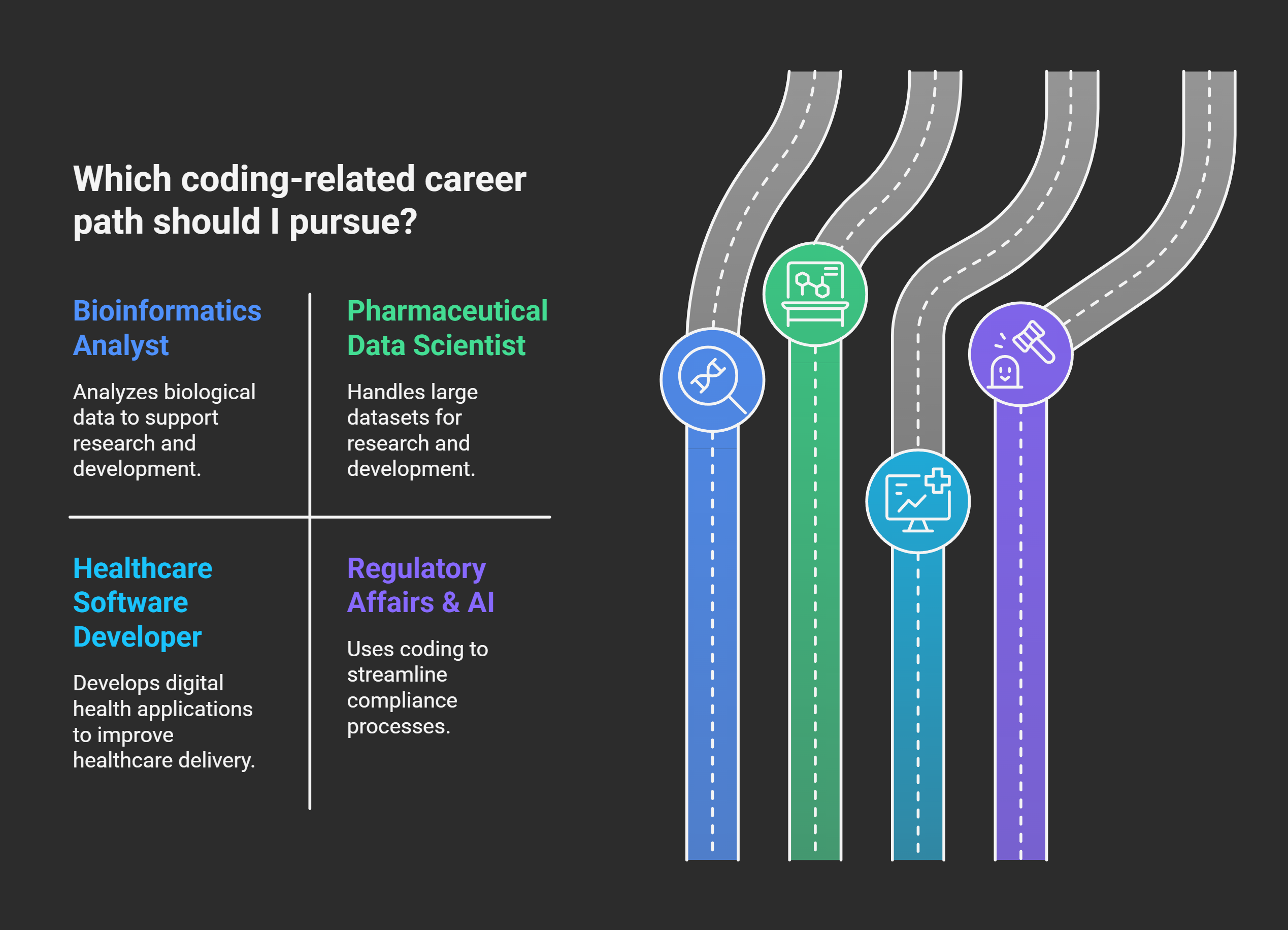
Once you’ve gained confidence, explore roles where coding and pharma intersect:

  • Bioinformatics Analyst – Analyzing biological data.
  • Pharmaceutical Data Scientist – Handling large datasets for research.
  • Healthcare Software Developer – Developing digital health applications.
  • Regulatory Affairs & AI – Using coding to streamline compliance processes.

7. Stay Consistent & Keep Learning

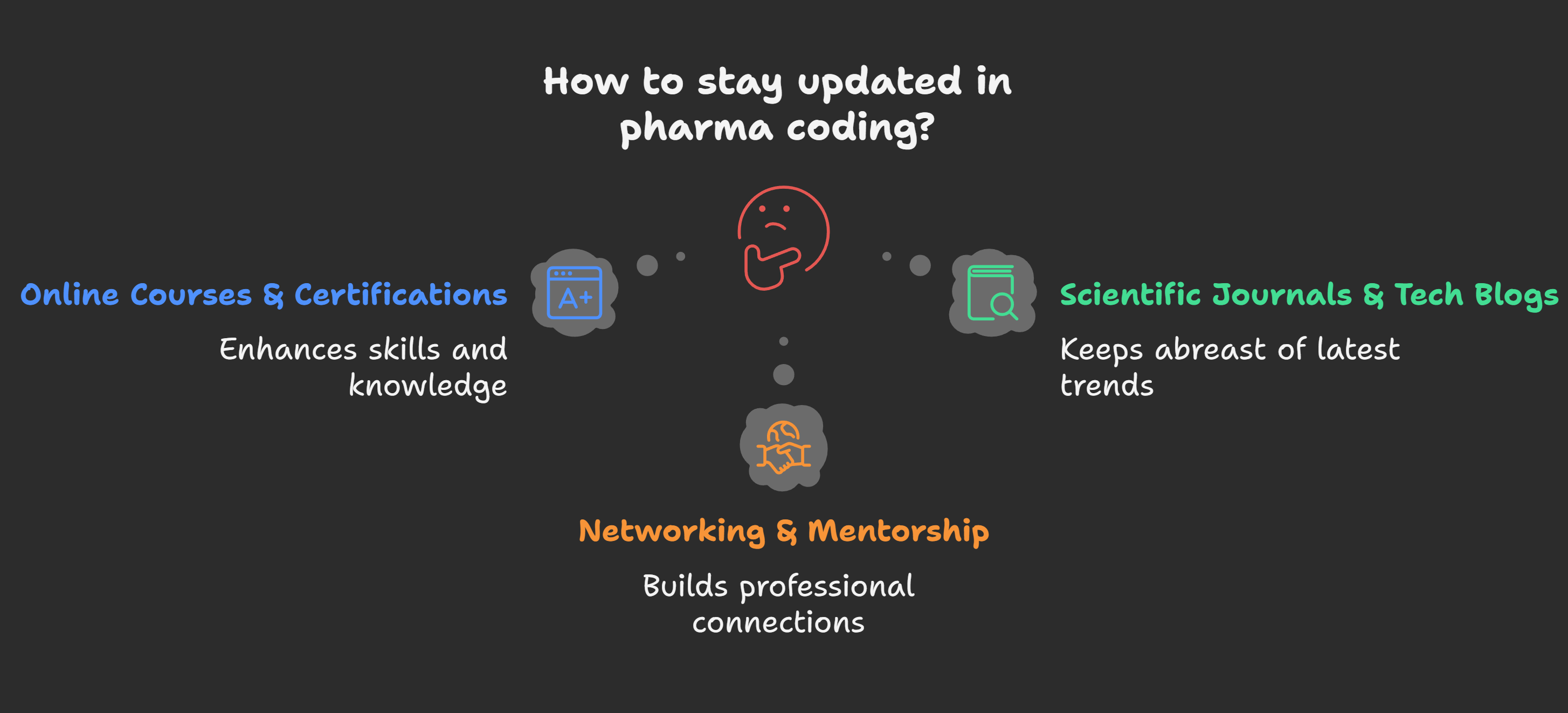
Coding is an ongoing learning process. Stay updated with:

  • Online Courses & Certifications – Keep enhancing your skills.
  • Scientific Journals & Tech Blogs – Follow the latest trends in pharma-tech.
  • Networking & Mentorship – Connect with professionals in pharma coding.

Final Thoughts

Learning coding as a pharma graduate might seem challenging at first, but with the right approach, it can significantly enhance your career prospects. By starting with the basics, applying knowledge through projects, and engaging with the right communities, you can successfully integrate coding into your pharmaceutical expertise.


Last Bench Pharmacist
Stay updated with the latest career tips and pharma-tech insights! [Join our WhatsApp community]